





Home / Services
We create digital experiences that teach, train and generate results
Our services combine strategy, technology and gamification to create experiences that truly generate learning, engagement and results.
Gamification
We turn content and processes into gamified experiences that increase engagement, retention and the practical application of learning.
Digital Games
We develop custom digital games for training, education and communication, focused on active learning and decision-making.
Virtual Reality
We create immersive virtual reality experiences that simulate real environments and situations, enabling safer, more practical and more efficient training.
Augmented Reality
We integrate digital layers into the real world with augmented reality solutions that make learning more visual, interactive and accessible.
Artificial Intelligence
We use AI to automate processes, personalize journeys and generate insights, making digital solutions more efficient and scalable.
Consulting
We support companies in structuring and implementing digital and gamified solutions, from strategy to execution.
Gamification
We turn learning into a more attractive, interactive and accessible experience for different user profiles.
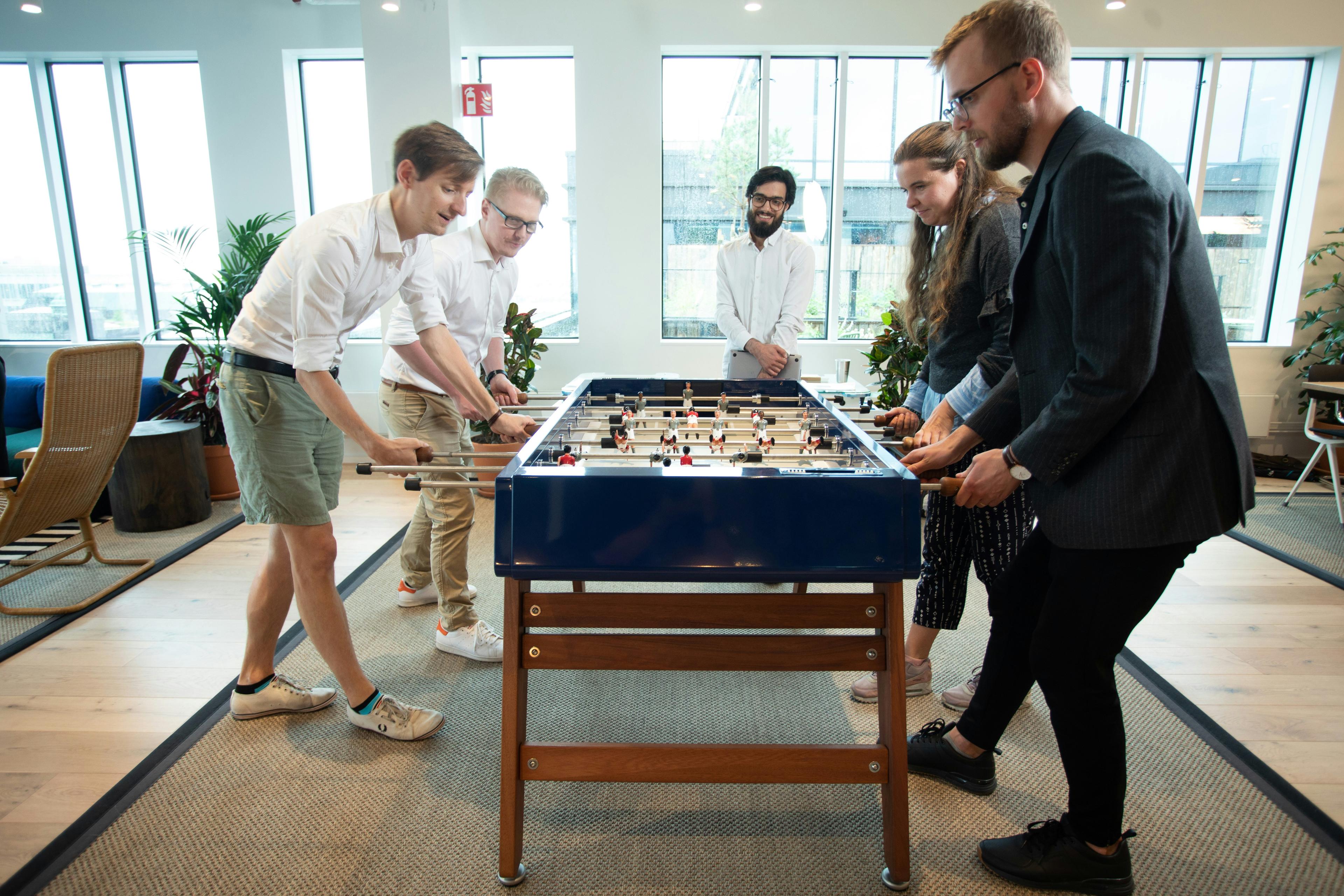
Gamification turns learning processes into interactive and practical experiences, increasing engagement and knowledge retention.
In education, it makes learning more dynamic and participatory. In services, it improves customer experience and boosts team productivity. In industry, it strengthens training, especially in scenarios that demand attention, safety and decision-making.
By encouraging active participation, gamification promotes collaboration, develops skills and creates engaging and accessible experiences for different audiences.
Benefits of Using Gamification
Motivating participants by turning tasks into stimulating challenges.
Higher Engagement
Encourages active participation by turning tasks into motivating and rewarding challenges.
Improved Productivity
Drives results through clear goals, progressive challenges and a continuous sense of progress.
Immediate Feedback
Enables quick adjustments through constant feedback on successes, mistakes and progress.
More Engaging Learning
Turns content into practical and memorable experiences, increasing retention and application of knowledge.
Questions that guide application
01.What is gamification in practice?
It is the application of game elements such as challenges, rewards and progression in real contexts to increase engagement and make learning easier.
02.Is gamification just about creating a game?
No. Gamification does not necessarily mean building a complete game, but using game mechanics in existing processes, platforms or training flows.
03.What results can gamification generate?
Higher engagement, better content retention, productivity gains and more active user participation.
04.How do I know if gamification is the best solution for my case?
We analyze your context, goals and audience to understand whether gamification is the best path and, if not, recommend the most suitable solution.
05.Does gamification really improve learning?
Yes. By encouraging active participation and practical learning, gamification makes it easier to retain and apply knowledge in day-to-day contexts.
06.In which areas can gamification be applied?
Education, corporate training, onboarding, sales, marketing, HR, healthcare and any context that involves learning or engagement.
07.Does gamification work for companies of any size?
Yes. Solutions can be adapted to different company sizes, goals and levels of digital maturity.
08.Do I need to already have a system or platform to apply gamification?
No. We can apply gamification to existing systems or develop solutions from scratch, depending on the needs of the project.
09.How can the success of a gamified solution be measured?
Through metrics such as participation, progress, activity completion, performance and project-specific indicators.
10.Is gamification expensive?
The investment varies depending on the project, but the return usually comes in the form of greater engagement, productivity and process efficiency.
Some of our Gamification projects
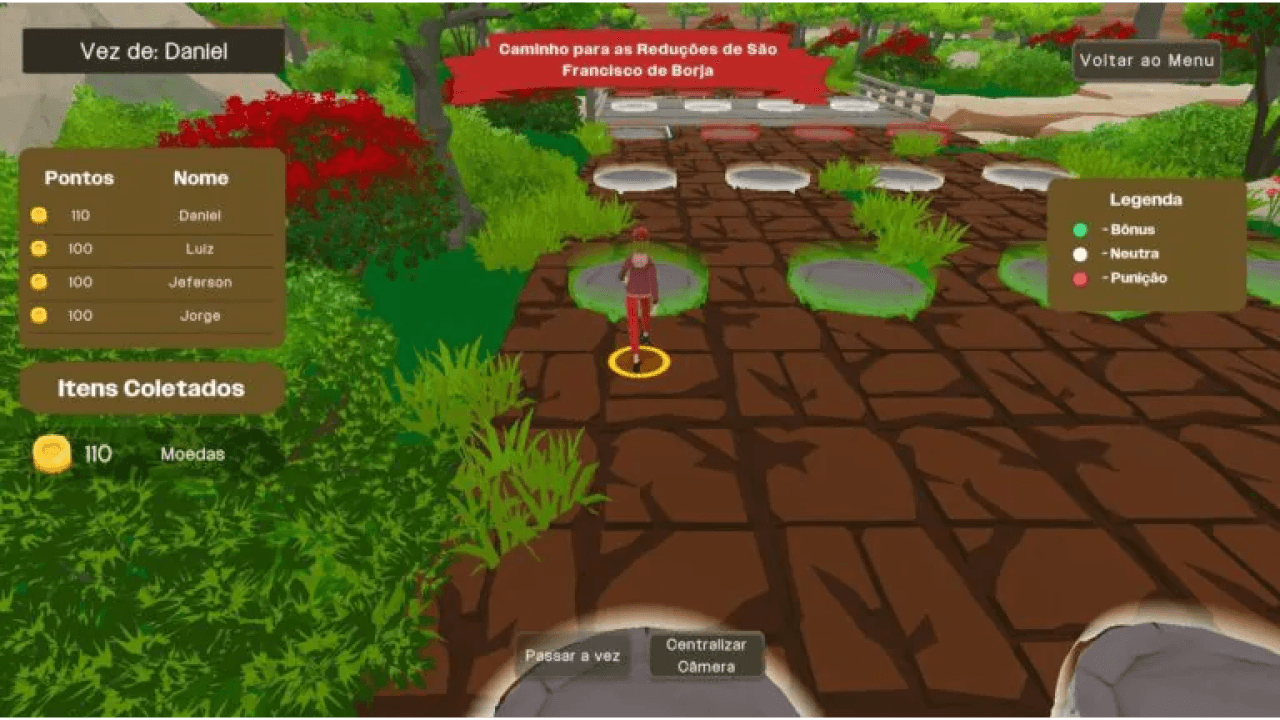
Caminho das Reduções
Caminho das Reduções is an educational game focused on Human Sciences, set in the Jesuit reductions located in Brazil, in the 7 Peoples of the Missions.
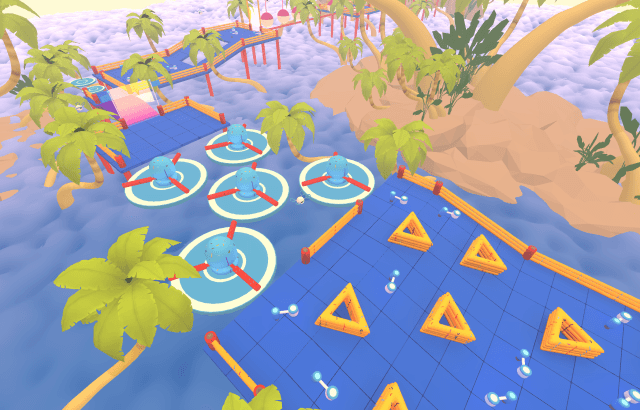
Educapuzzle
Educapuzzle is a platform that gamifies content for more engaging, fun and effective classes, allowing teachers to create interactive lessons with questions, challenges and rewards.
Digital Games
Digital games are interactive experiences designed to teach, train and simulate real situations in a practical and engaging way.
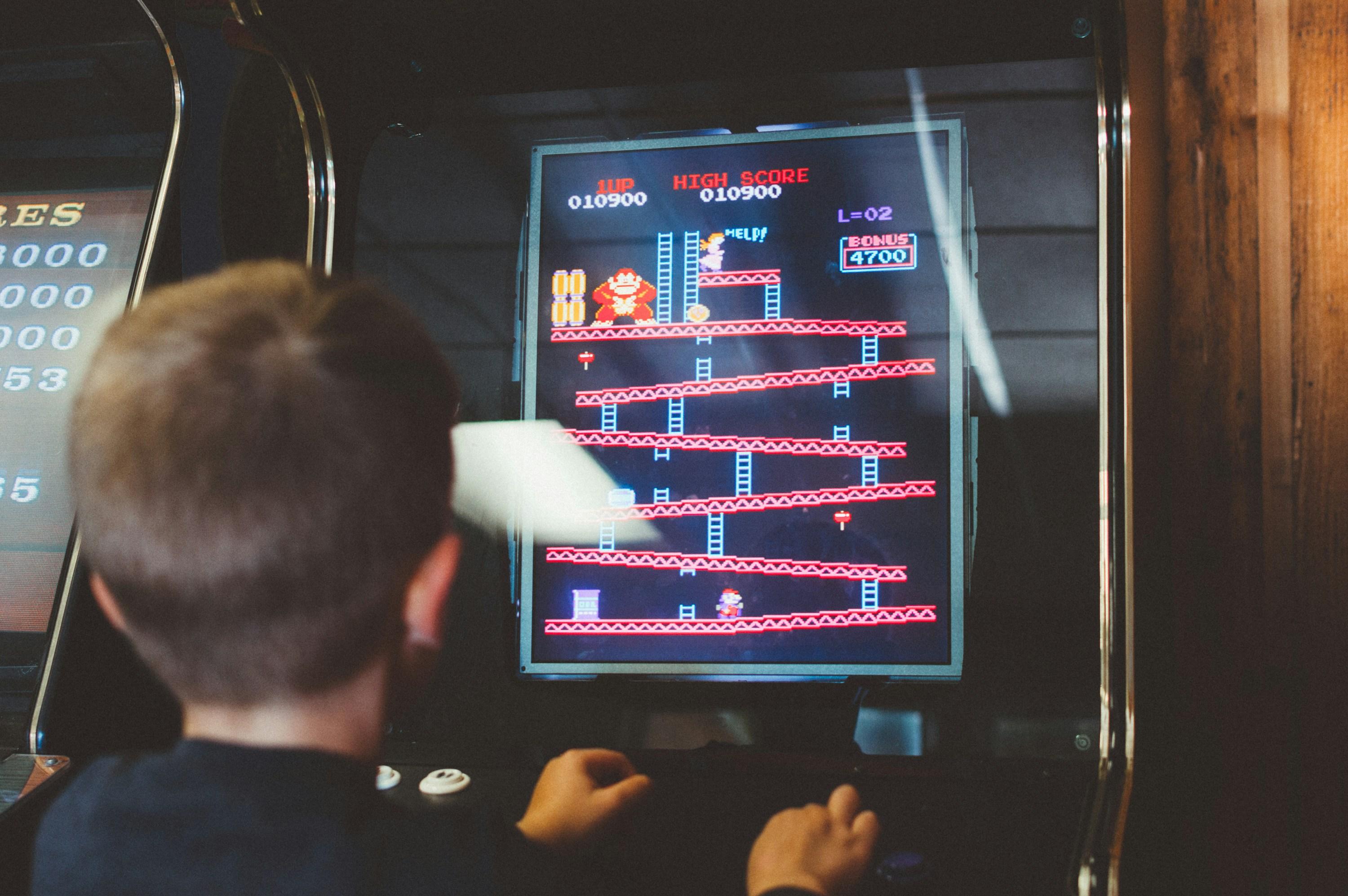
Educational games are effective tools for increasing knowledge retention, facilitating learning and developing skills in educational and corporate environments.
Benefits
Digital games make learning and training more engaging and motivating.
Increased Engagement
Engages users through clear challenges and goals, keeping participation active throughout the experience.
Skill Development
Develops competencies through decisions, practice and the resolution of real problems.
Practical Learning
Turns knowledge into action through simulations that replicate day-to-day situations.
Performance Tracking
Makes it possible to assess performance based on user decisions, progress and behavior.
Questions that guide application
01.What are digital games applied to learning?
They are interactive experiences designed to teach, train and simulate real situations, allowing users to learn in a practical way.
02.What is the difference between digital games and gamification?
Digital games are complete experiences with simulation, narrative and interaction. Gamification uses game elements in existing processes or systems.
03.Do digital games really improve learning?
Yes. By allowing users to learn by doing, games increase retention, understanding and the practical application of knowledge.
04.Which skills can be developed with digital games?
Critical thinking, decision-making, problem solving, technical skills and behavioral competencies.
05.In which areas can digital games be used?
Education, corporate training, onboarding, industry, healthcare, sales and any context that involves practice and decision-making.
06.Can digital games be integrated into existing systems or platforms?
Yes. They can be integrated with LMS platforms, internal platforms or management systems for performance tracking.
07.How long does it take to develop a digital game?
The timeline varies according to complexity, ranging from a few weeks to a few months.
08.Are digital games expensive?
The investment depends on scope, but the return usually comes in the form of stronger retention, fewer errors and more efficient training.
Some of our Digital Games projects
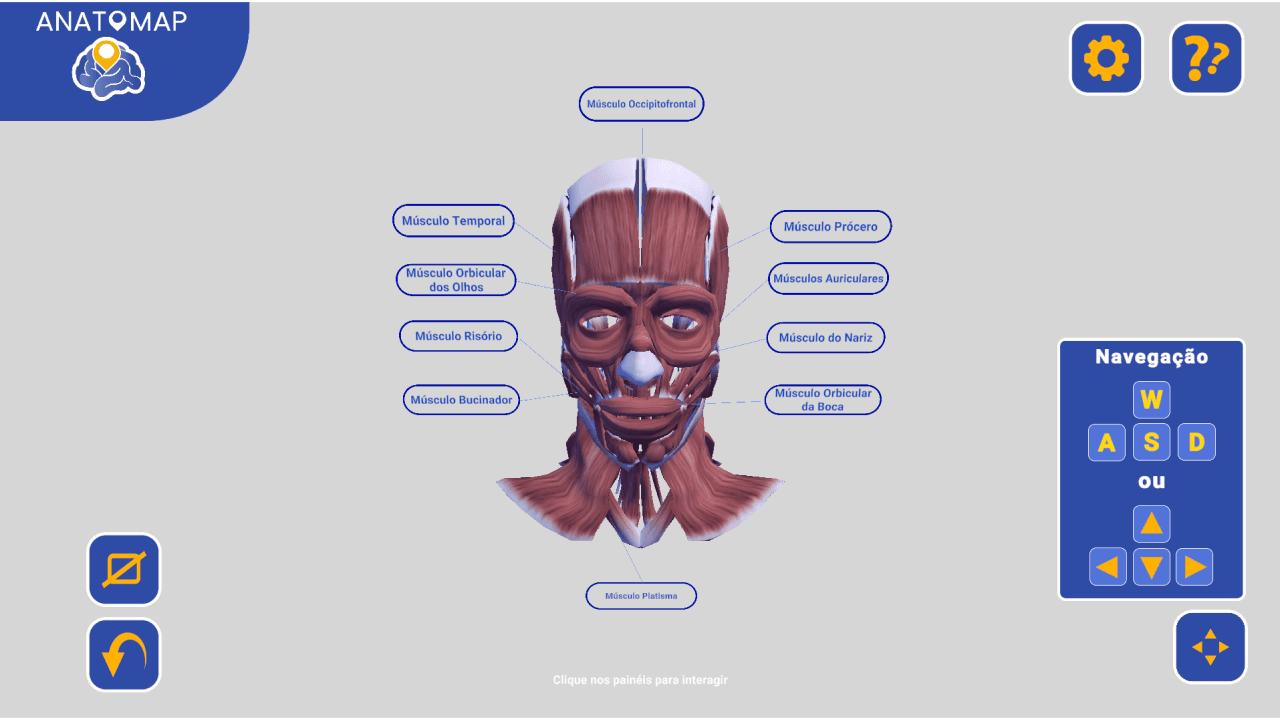
Anatomap
Anatomap is a human body exploration game where you learn about systems, muscles and the skeleton.
Caminho das Reduções
Caminho das Reduções is an educational game focused on Human Sciences, set in the Jesuit reductions located in Brazil, in the 7 Peoples of the Missions.
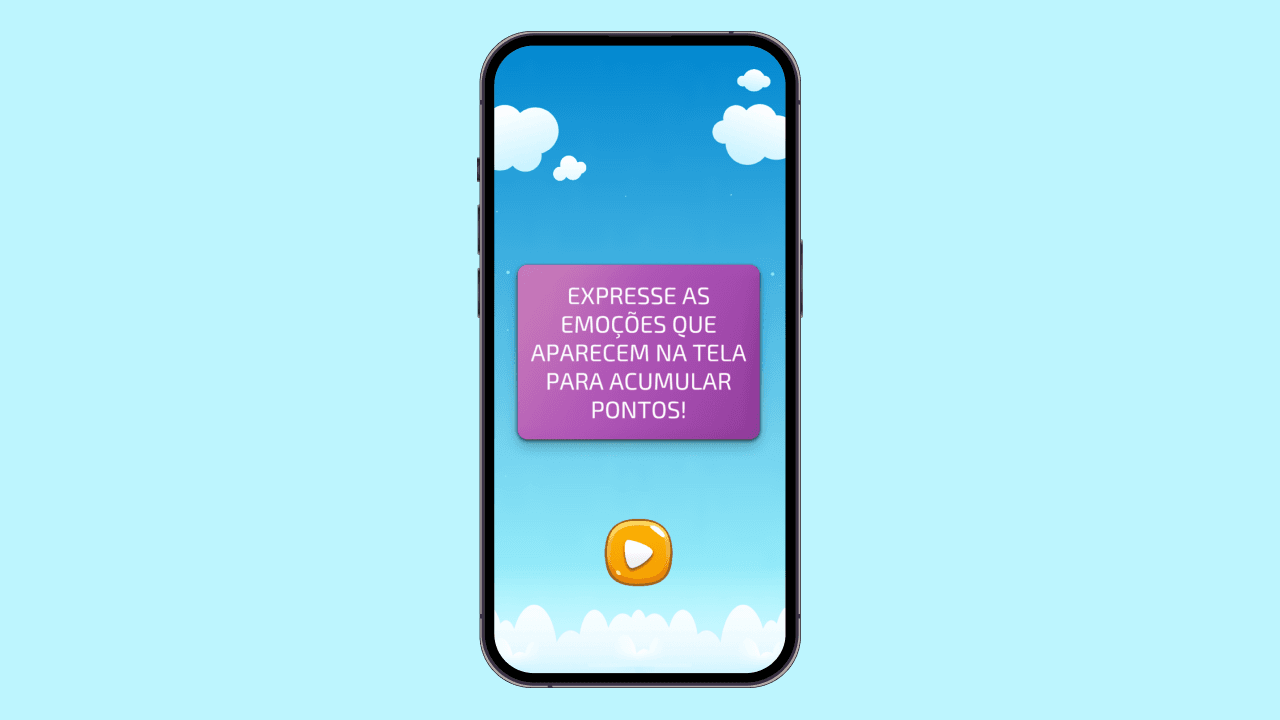
Coleção Despertar
Designed for students from early childhood education through high school, Coleção Despertar features interactions that turn learning into an exciting and playful journey.
Augmented Reality
Interactive experiences that connect the digital world to the real world

Augmented reality integrates digital information into the physical environment, allowing users to visualize, interact and execute tasks with visual support in real time.
With it, it is possible to guide procedures, display instructions in the context of the action and make complex information easier to understand directly in the environment where everything happens.
This approach makes learning clearer and more applicable, connecting theory and practice at the exact moment of execution.
Benefits of Augmented Reality
Connects contextual visual support, practical execution and performance visibility in the real environment.
Contextual Interactivity
Integrates information into the real environment to guide users while tasks are being performed.
Real-Time Support
Provides visual instructions at the moment of action, making decisions easier and reducing errors.
Real-World Application
Allows people to learn and execute simultaneously, connecting content directly to practice.
Data and Feedback
Generates data about interactions and execution to track performance and improve processes.
Questions that guide application
01.What is augmented reality in practice?
Augmented reality is a technology that adds digital elements to the real environment, allowing users to view information, instructions or objects over the physical world.
02.What can augmented reality be used for?
It can be used for education, operational support, maintenance, training, onboarding and any situation that requires visual guidance at the moment of execution.
03.Does augmented reality replace traditional training?
No. It complements learning by providing visual and contextual support while tasks are being performed.
04.How does augmented reality help in corporate environments?
It helps employees while activities are being performed, reduces errors, improves productivity and supports day-to-day learning.
05.Does augmented reality work on common devices?
Yes. It can run on smartphones, tablets and also on dedicated devices, depending on the complexity level of the solution.
06.Is it possible to use augmented reality in the field or in real operations?
Yes. That is one of its main benefits, because it works directly in the environment where the activity takes place.
07.Can augmented reality be customized for each company?
Yes. Solutions are developed according to the specific processes, needs and goals of each project.
08.Does augmented reality help reduce operational errors?
Yes. By providing visual instructions at the moment of execution, it reduces uncertainty and increases task accuracy.
Some of our Augmented Reality projects
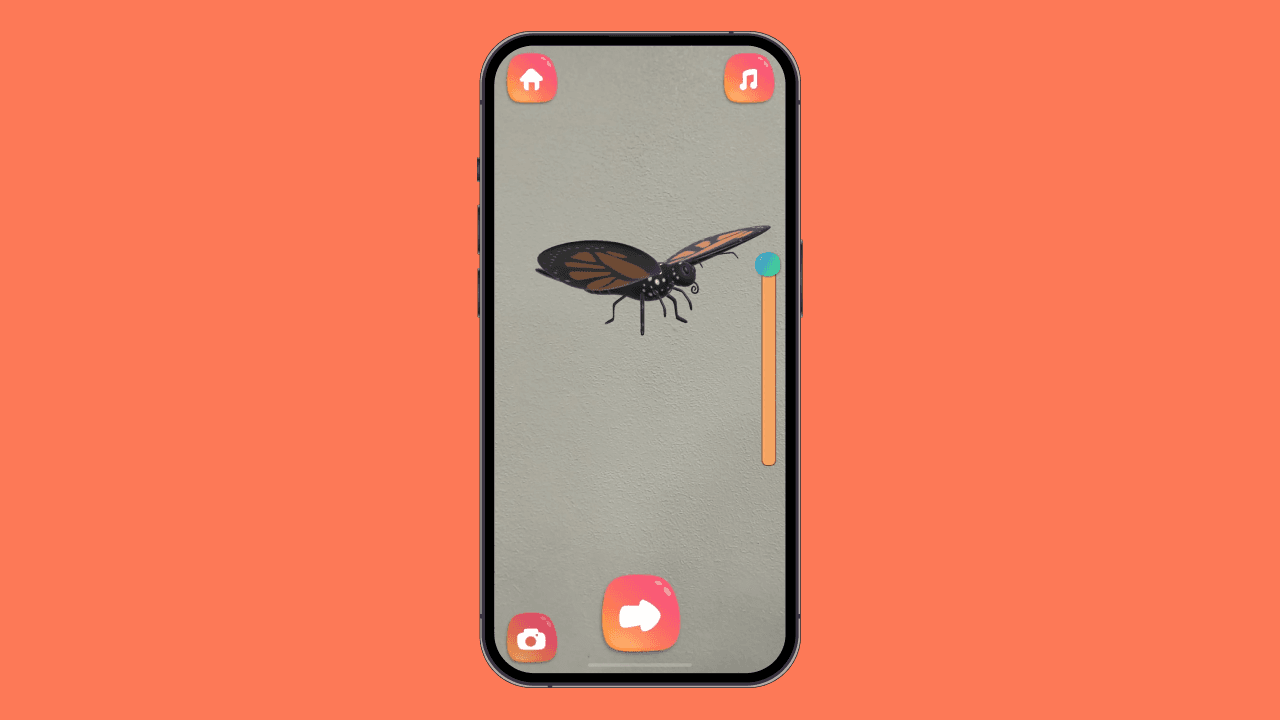
Coleção Despertar
Designed for students from early childhood education through high school, Coleção Despertar features interactions that turn learning into an exciting and playful journey.
Coleção Entrelaços
Created especially for early childhood education, the augmented reality experience of Coleção Entrelaços enriches the student's perspective for interactive and engaging learning.
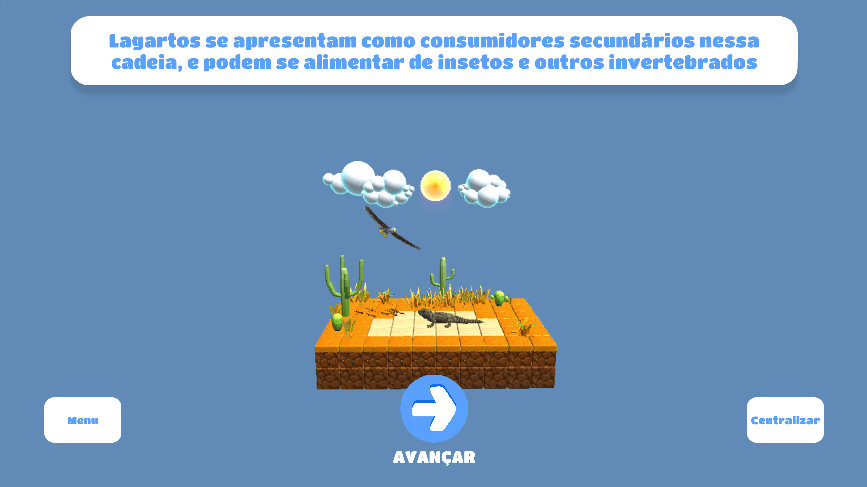
MODULAB
MODULAB is a multidisciplinary set of laboratories and augmented reality activities covering Mathematics, Biology, Astronomy, Physics and other areas of knowledge.
Virtual Reality
Immersive environments to train, learn and decide with full focus

Virtual reality makes it possible to create fully immersive environments where users can train, learn and make decisions in simulated scenarios with total focus.
With it, real situations can be reproduced safely, procedures can be trained, risks can be simulated and skills can be developed in practice without impact on the real environment.
This approach makes learning more effective by connecting theory and execution, providing engaging, controlled and performance-oriented experiences.
Benefits of Virtual Reality
Connects total immersion, safe practice and performance analysis in simulated scenarios.
Total Immersion
Places users inside simulated environments with total focus on the experience and decision-making.
Safe Training
Simulates critical situations without risk, allowing repetition and preparation before real execution.
Practice in Real Scenarios
Reproduces environments and operations to train skills in a practical and controlled way.
Performance Analysis
Makes it possible to evaluate performance based on decisions, behavior and user progress.
Questions that guide application
01.What is virtual reality in practice?
Virtual reality is a technology that creates immersive digital environments, allowing users to interact and perform tasks as if they were in a real scenario.
02.What can virtual reality be used for?
It can be used for training, simulations, technical qualification, education and skill development in safe and controlled environments.
03.Is it possible to simulate real situations with virtual reality?
Yes. It is possible to recreate environments, processes and everyday scenarios so users can practice decisions and actions safely.
04.How can virtual reality help with corporate training?
It allows teams to train for real or critical situations without risk, developing technical and behavioral skills in a practical way.
05.What types of companies is virtual reality suitable for?
Companies across many sectors, especially those that need to train teams, simulate operations or reduce process risks.
06.Do I need specific equipment to use virtual reality?
Yes. The experience usually uses virtual reality headsets, but the solution can be adapted according to the objective and the desired level of immersion.
07.Is it possible to customize virtual reality experiences?
Yes. Experiences are developed according to the context, processes and goals of each project.
08.Is virtual reality safe for training?
Yes. Precisely because it simulates scenarios, it allows risky situations to be trained without real exposure, making the process safer and more controlled.
Artificial Intelligence
Intelligent solutions that automate processes and support decisions based on data.
Artificial intelligence makes it possible to integrate existing models to analyze data, interpret contexts and automate decisions inside systems and applications.
With it, AI APIs can be connected to generate intelligent responses, classify information, personalize experiences and optimize operational flows in real time.
This approach makes systems more efficient and adaptable by using already available intelligence to solve problems in a practical and scalable way.
Benefits of Artificial Intelligence
Integrates automation, context and data analysis to make operations more efficient and adaptable.
Intelligent Automation
Reduces manual tasks by automating processes based on rules and data.
Data-Driven Decisions
Supports decisions with analysis of information, patterns and context.
Personalized Experience
Adapts responses, content and flows according to user behavior.
Operational Efficiency
Optimizes processes by integrating intelligence into existing systems and operations.
Questions that guide application
01.What is artificial intelligence in practice?
It is the use of intelligent models to analyze data, interpret information and automate decisions inside systems and applications.
02.Do you develop proprietary artificial intelligence?
We work mainly with the integration of existing AI models, connecting APIs and services to apply intelligence efficiently and at scale.
03.What can artificial intelligence be used for?
Process automation, data analysis, personalized experiences, content generation, user support and decision-making.
04.Is it possible to integrate AI into existing systems?
Yes. Artificial intelligence can be integrated into platforms, internal systems, web applications or mobile applications.
05.Can AI make decisions automatically?
Yes. Depending on the project, it can suggest or execute actions based on data, rules and identified patterns.
06.Does artificial intelligence replace people?
No. It acts as support by automating tasks and assisting decision-making.
07.Does AI work in real time?
Yes. Many applications allow real-time analysis and response, depending on the integration used.
08.Can artificial intelligence be customized for each business?
Yes. Integrations are configured according to the goals, data and flows of each project.
Consulting
Strategy and direction to turn challenges into efficient digital solutions.

Consulting supports companies and institutions in defining, structuring and implementing digital solutions focused on learning, engagement and performance.
Based on an understanding of context, goals and audience, we identify opportunities and design strategies that combine gamification, games, immersive reality and artificial intelligence in an integrated way.
In corporate environments, we help align teams, optimize processes and develop more efficient solutions. In education, we structure experiences that make learning more applied, dynamic and results-oriented.
In addition, we follow implementation with metrics and indicators, ensuring continuous evolution and data-driven decision-making.
Benefits of Consulting
Structures strategy, execution and follow-up to turn context into an efficient digital solution.
Strategic Direction
Defines the best path for applying technology and methodologies efficiently.
Personalized Solutions
Develops strategies aligned with the context, goals and audience of each project.
Risk Reduction
Structures processes and decisions before execution, avoiding rework and errors.
Results Tracking
Uses metrics and indicators to evaluate performance and continuously optimize solutions.
Questions that guide application
01.What is included in the consulting service?
It includes context analysis, strategy definition, solution design, implementation guidance and results tracking.
02.Is consulting only about gamification?
No. Consulting can involve gamification, digital games, augmented reality, virtual reality and artificial intelligence, depending on the project's goal.
03.Do you help from the idea stage through execution?
Yes. We work from the initial structuring phase through implementation follow-up and solution evolution.
04.Is consulting tailored for each client?
Yes. Each project is built according to the organization's goals, context and specific needs.
05.How do I know which technology to use in my project?
That is exactly what consulting is for: analyzing the scenario and indicating the best solution for your case.
06.Can consulting be applied to companies of any size?
Yes. Strategies are adapted according to the company's size, maturity and goals.
07.Is it possible to measure consulting results?
Yes. We define metrics and indicators to track solution performance, evolution and impact.
08.Does consulting help reduce implementation errors?
Yes. By structuring the project before execution, we reduce rework, risks and misguided decisions.
Want to understand which service fits your context best?
We can understand your goal, map the best format and structure a proposal aligned with the audience, channel and expected outcome.
